
When the temperatures drop across Sheffield and South Yorkshire, it’s not just icy roads and frosty windscreens that cause problems. Frozen pipes are one of the most frustrating – and costly – winter issues facing homeowners and businesses alike. Water expands as it freezes, placing pressure on pipes that can eventually split or burst, leading to leaks, damp, and sometimes thousands of pounds in repair bills.
If you live in Sheffield, you’ll know that winters can be unpredictable. One week it’s mild and wet, the next it’s minus four with a heavy frost. Those sudden cold snaps are exactly what puts local properties at risk. So how do you protect your home, and what should you do if your pipes freeze? Let’s walk through everything step by step.

photo taken from: https://www.thestar.co.uk/news/weather/sheffield-snow-11-slushy-pictures-jan-2025-4931445
Why Sheffield Homes Are Especially at Risk
Sheffield’s housing stock is a real mixture. There are Victorian terraces, 20th-century semis, blocks of student flats, and brand-new developments. Each has its quirks, but older buildings often suffer from poorly insulated pipework. Properties with cellars, lofts, or unheated extensions are particularly vulnerable, as pipes in these areas are often exposed to the cold.
The city’s location also plays a role. Sitting on the edge of the Peak District means that Sheffield regularly sees sharper frosts and colder winds than towns just a little further east. Areas on higher ground tend to freeze more quickly, and sudden drops in temperature can catch many households off guard.
Add in the fact that some rental properties are left unoccupied over winter months, and you can see why frozen pipes are such a recurring issue.
What Causes Frozen Pipes in Sheffield?
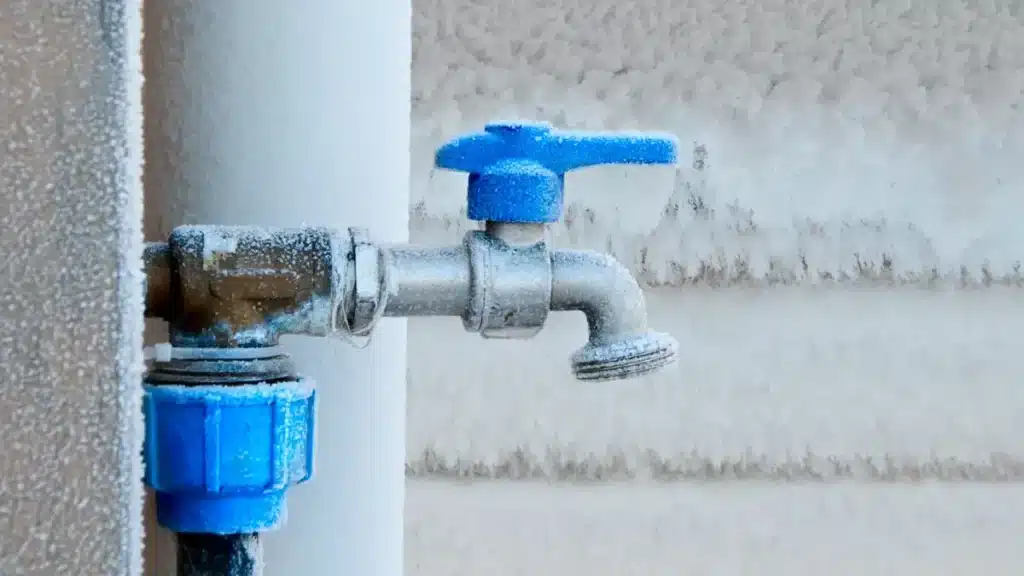
Sheffield winters can be brutal. When temperatures drop below freezing—especially overnight—water inside your pipes can freeze solid. And when water freezes, it expands. That pressure can cause pipes to crack or burst, leading to serious water damage when things thaw.
But why does this happen so often in Sheffield homes?
Many older properties in the area have exposed or poorly insulated pipes, especially in lofts, garages, and external walls. These areas lose heat quickly during cold snaps, making them prime spots for freezing.
Here are some common reasons frozen pipes happen in Sheffield:
-
Sudden temperature drops during winter nights
-
Pipes in unheated spaces like basements or outbuildings
-
Poor insulation or gaps in walls letting in cold air
-
Low water usage during winter holidays or empty properties
Even newer homes aren’t immune if pipes aren’t properly protected.
Takeaway: If Sheffield’s temperature dips below 0°C (which it often does), your pipes are at risk—especially if they’re exposed or rarely used. Prevention starts with knowing where your vulnerable spots are.
Signs Your Pipes May Be Frozen
Not sure if your pipes are frozen? Catching the early signs can help you act fast—before they burst and cause serious damage.
Here’s what to watch for in your Sheffield home:
-
No or reduced water flow: Turn on a tap and nothing comes out—or it just trickles? That’s a strong sign a pipe is frozen.
-
Frost on exposed pipes: Check pipes in unheated areas like lofts, garages, or under sinks. If you see visible frost, there’s likely ice inside.
-
Strange smells from drains: Ice blockages can cause odours to back up into your home.
-
Unusual noises: Banging or clanking sounds when turning taps on could mean ice is shifting inside the pipes.
Some signs are easy to miss—especially if you’re not using certain taps regularly. It’s a good idea to check all your water outlets during cold snaps, even ones you don’t use often.
Tip: If you notice one frozen pipe, others could be close behind. Early detection gives you the best chance to thaw them safely and avoid costly repairs.
How to Prevent Pipes from Freezing in Sheffield Homes
Prevention is the best way to avoid the stress and expense of frozen pipes. With Sheffield’s winter temperatures regularly dipping below freezing, it’s smart to take a few simple steps—especially before a cold snap hits.
1. Insulate Exposed Pipes
Pipes in unheated areas like lofts, garages, and under floors are the most at risk. Use foam pipe insulation or lagging, which is affordable and easy to install.
-
Focus on pipes near external walls, in crawl spaces, or behind kitchen cupboards.
-
Don’t forget outdoor taps—use insulated tap covers or shut them off for the season.
2. Keep the Heating On
Even if you’re away, keep your central heating set to a minimum of 12–15°C. A slightly higher heating bill is far cheaper than repairing burst pipes.
3. Open Cupboards and Loft Hatches
Let warm air circulate around pipes by opening cupboard doors (especially under sinks) and loft hatches during very cold nights.
4. Seal Drafts and Gaps
Cold air can creep in through small cracks. Seal gaps around windows, doors, and where pipes enter walls to help maintain indoor temperature.
5. Let Taps Drip (Slightly)
On especially cold nights, let a cold tap run at a trickle. Moving water is less likely to freeze.
Example: A Sheffield homeowner who insulated pipes and left heating on low during a holiday avoided any damage, while a neighbour returned to a burst pipe and flooded kitchen.
Takeaway: A few low-cost prevention steps today can save you thousands in emergency plumbing repairs tomorrow—especially in a city like Sheffield where freezing nights are common.
What to Do If Your Pipes Are Already Frozen
If you suspect your pipes are frozen, acting quickly and carefully is key to avoiding a burst pipe and costly damage. Here’s what to do if you find yourself facing frozen pipes in Sheffield.
1. Locate the Frozen Pipe
Start by identifying which pipe is frozen. Check areas where pipes are exposed or in unheated spaces like lofts, basements, or near external walls. Look for frost or ice on the pipe surface.
2. Turn Off the Water Supply
To prevent a burst pipe from flooding your home, shut off the main water supply immediately. This stops pressure building up behind the ice.
3. Thaw the Pipe Slowly and Safely
Never use open flames or blowtorches. Instead, try these safe methods:
-
Use a hairdryer: Move the dryer slowly along the pipe, keeping it a few inches away.
-
Apply warm towels: Wrap warm (not boiling) towels around the frozen area and replace them as they cool.
-
Use a space heater or heat lamp: Place near the pipe, but keep a safe distance to avoid fire risk.
Start thawing closest to the faucet and work back toward the frozen section to allow melting water to flow.
4. Check for Leaks
Once thawed, inspect pipes for cracks or leaks. If you see any damage, turn off the water and call a professional immediately.
Important: If you can’t find the frozen pipe or the pipe won’t thaw, call an experienced Sheffield plumber without delay. Attempting unsafe fixes can make the problem worse.
Takeaway: Acting quickly and safely can save your home—and your wallet—from the headache of burst pipes and water damage.
When to Call a Professional Plumber in Sheffield
Sometimes, frozen pipes need more than DIY fixes—especially if the situation is urgent or complicated. Knowing when to call a professional plumber can save you time, stress, and money in the long run.
Call a plumber in Sheffield if:
-
You can’t locate the frozen pipe or the pipe is hard to access.
-
Your pipes won’t thaw after trying safe methods like warm towels or a hairdryer.
-
You notice cracks, leaks, or water damage once pipes thaw.
-
You hear unusual noises inside walls or ceilings that suggest hidden leaks.
-
You’re dealing with a burst pipe or flooding—this needs immediate expert attention.
At billyplumbers.co.uk, Sheffield’s trusted local plumbing experts, we offer fast and reliable service to handle frozen pipes safely and efficiently. Our team knows the local climate and common problem areas, so we can help protect your home during the coldest months.
Don’t wait until a small freeze turns into a big disaster. If you’re unsure or need professional support, get in touch with us for quick advice or an emergency call-out.
Tip: Early professional help can prevent costly repairs and give you peace of mind during Sheffield’s harsh winters.
Emergency Plumbing Services in Sheffield: What to Expect
When frozen pipes cause a burst or flooding, every minute counts. Sheffield’s cold snaps—often dipping below freezing, with temperatures as low as -8.6°C—can turn a minor issue into a major emergency. That’s when you need a reliable local plumber who can respond fast.
At billyplumbers.co.uk, we understand the urgency. Our team is ready 24/7 to:
-
Arrive quickly—we aim to be at your door within 60 minutes during peak emergencies.
-
Assess the damage—locate the source of the problem and stop the water flow.
-
Thaw and repair—safely thaw frozen pipes and fix any leaks or bursts.
-
Provide temporary solutions—if full repairs can’t be done immediately, we’ll set up a safe, short-term fix.
We’re not just about fixing pipes—we’re about peace of mind. Our Sheffield-based team knows the local infrastructure and weather patterns, so we can act fast and effectively.
Tip: If you’re dealing with a burst pipe or flooding, don’t wait. Call billyplumbers.co.uk now for immediate assistance.
How to Prepare Your Home for Sheffield Winters
Sheffield’s winters can be harsh, with average temperatures ranging from about 1°C during the day to below freezing at night, often dipping as low as -5°C or colder during cold snaps. To protect your home and plumbing, consider these proactive steps:
-
Insulate exposed pipes—use foam pipe insulation or lagging in unheated areas like lofts, garages, and under sinks.
-
Seal drafts and gaps—check for and seal any cracks or gaps around windows, doors, and where pipes enter walls to keep cold air out.
-
Keep the heating on—even if you’re away, set your thermostat to at least 12–15°C to prevent pipes from freezing.
-
Let taps drip—during extreme cold, let a cold tap drip slightly to keep water moving and reduce the risk of freezing.
-
Open cupboard doors—especially under sinks, to allow warm air to circulate around pipes.
Example: A Sheffield homeowner who insulated their loft and left the heating on low during a cold snap avoided any damage, while a neighbour returned to a burst pipe and flooded kitchen.
Takeaway: A few simple steps can save you from costly repairs and the stress of dealing with frozen pipes. Preparing your home now can ensure a safer, warmer winter.
Resources and Support in Sheffield
If you’re concerned about frozen pipes, there are plenty of local resources to help:
-
- 24-hour plumbing services – Many Sheffield-based plumbers offer emergency callouts during winter months.
-
- DIY stores – Major retailers like B&Q, Wickes, and Toolstation, as well as independent merchants, stock insulation materials and pipe repair kits.
-
- Sheffield City Council – Provides guidance for tenants and landlords, particularly regarding emergency repairs in rented properties.
Taking action early – whether it’s insulating pipes yourself or booking a professional inspection – is far cheaper and less stressful than dealing with the aftermath of a burst pipe.